An AR-driven pervasive gaming experience designed to turn city exploration into an interactive mobile adventure.
Design Process
This mini-game was developed from a design brief by Inter Astra, a sci-fi pervasive game like Pokémon Go and Pac-Manhattan.
I believe great games are easy to learn but hard to master. From the start, I aimed for simple interactions with strategic depth, inspired by Tetris and Pac-Man.
I explored visual themes through a mood board (inspired by Starfield, No Man’s Sky, Void Crew, and Star Wars Jedi) and sketched game mechanics, focusing on how mobile devices can blend digital and real-world interactions using the following:
Touchscreen, GPS, camera, LiDAR, motion sensors, speaker, microphone, and bubble level.
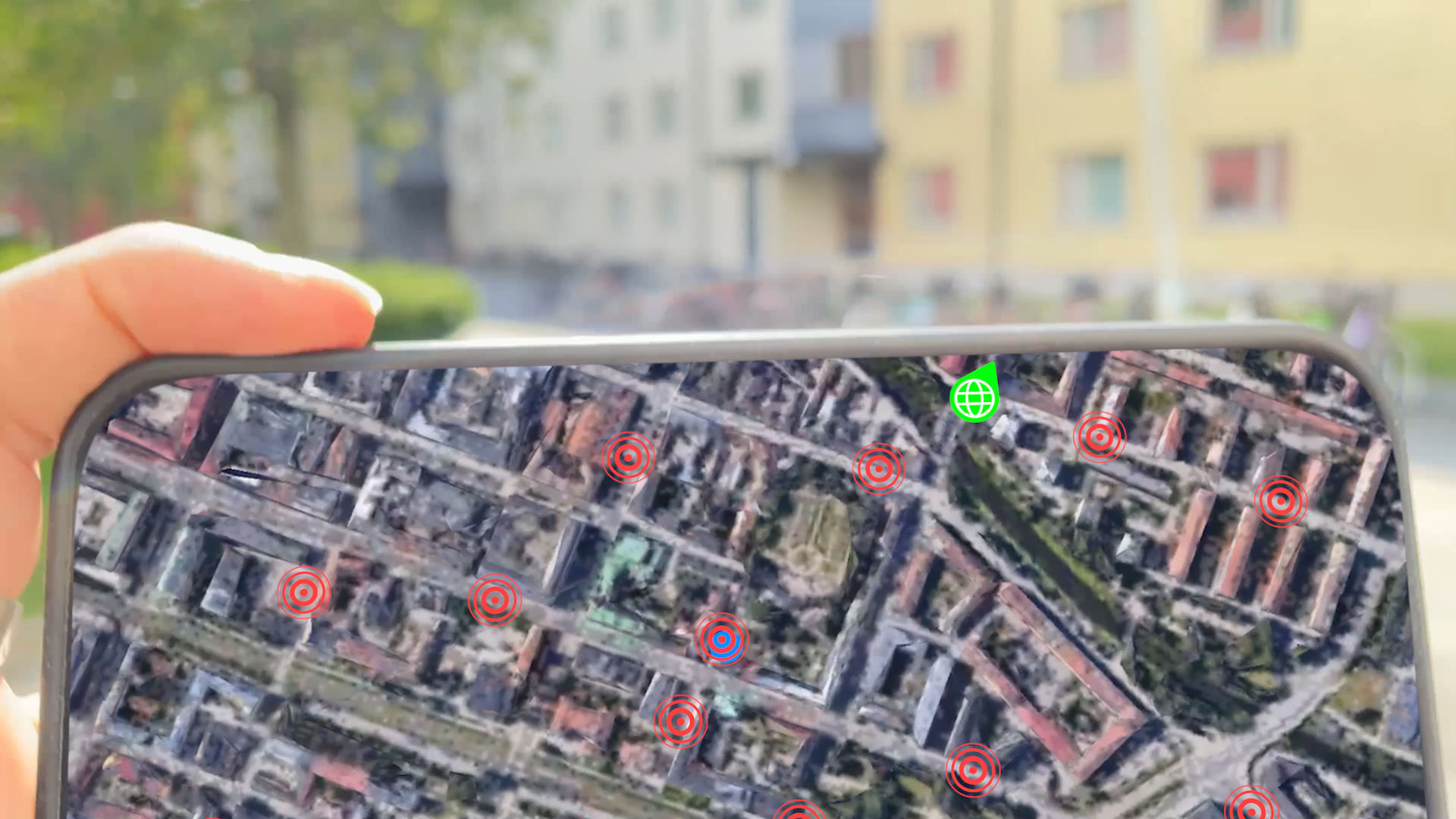
Gameplay concept photo
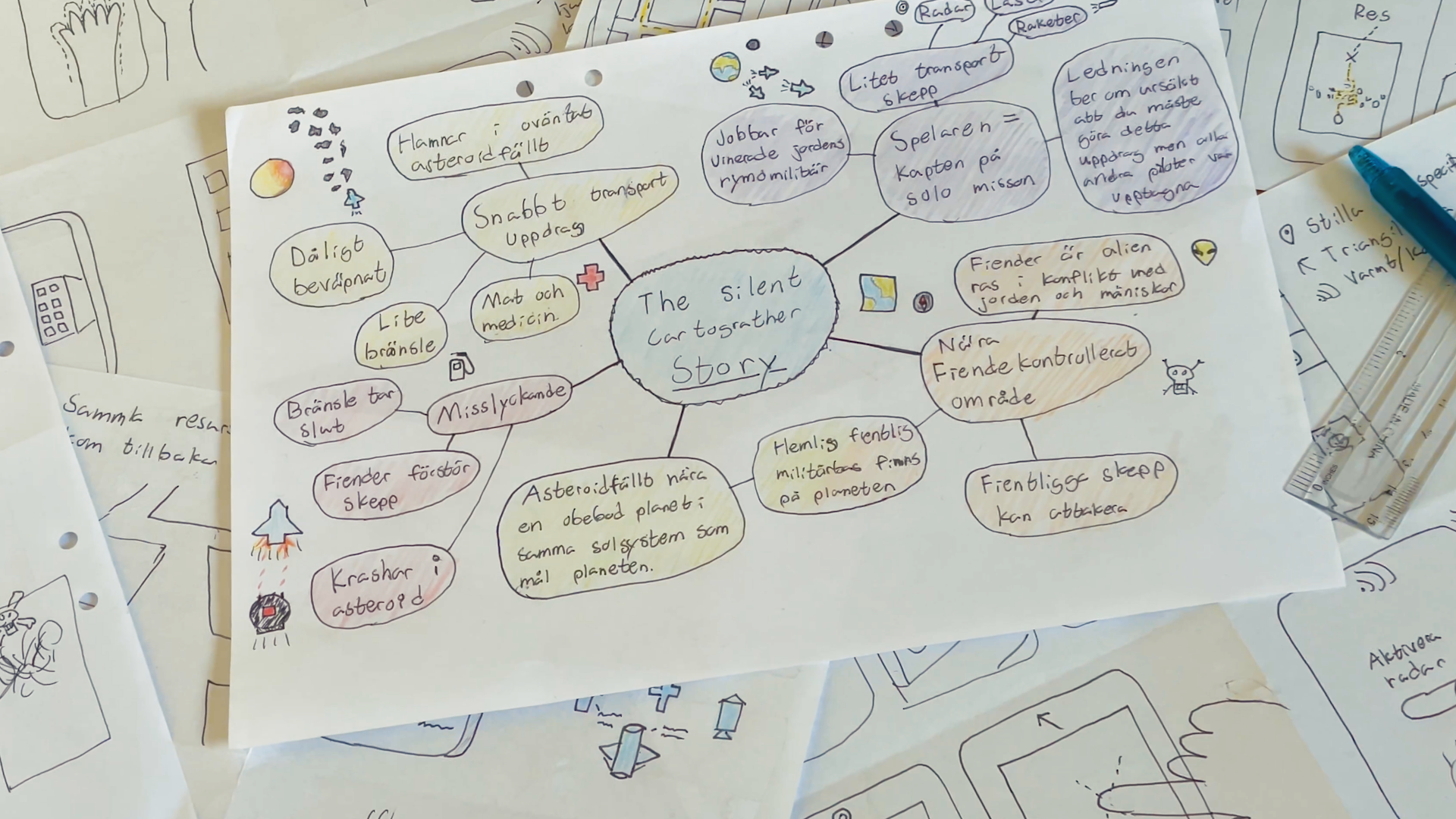
Pile of sketches
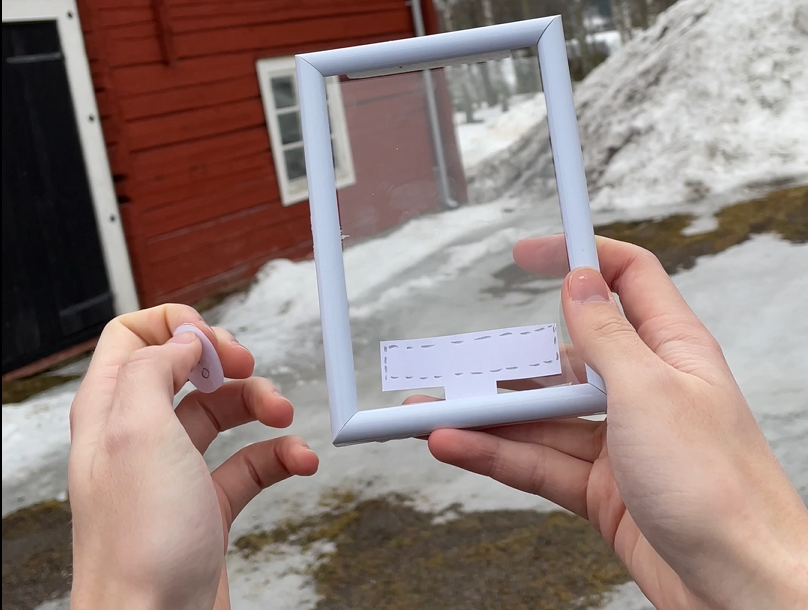
AR Frame interaction prototype
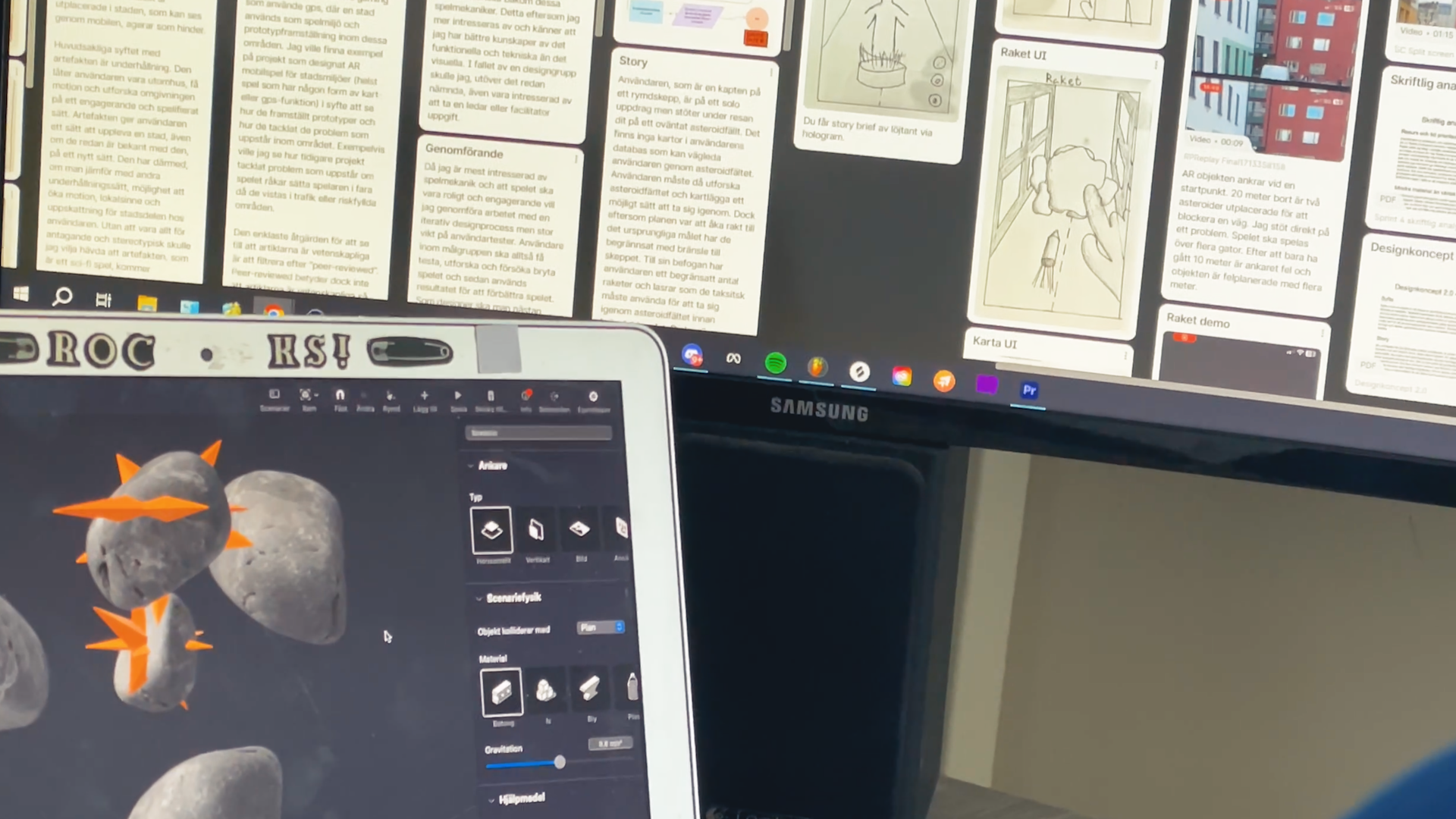
Photograph of my workspace
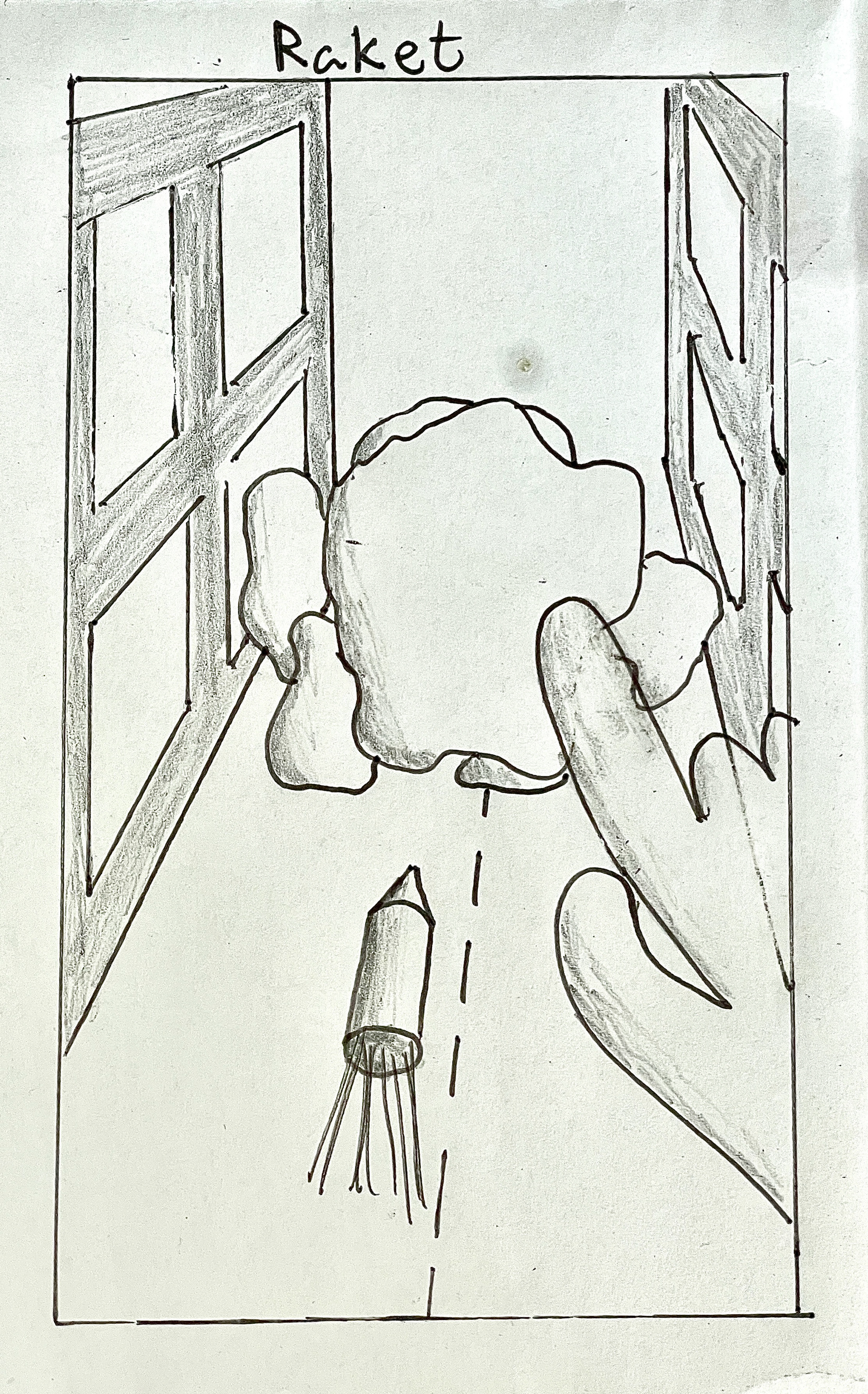
Rocket ability concept
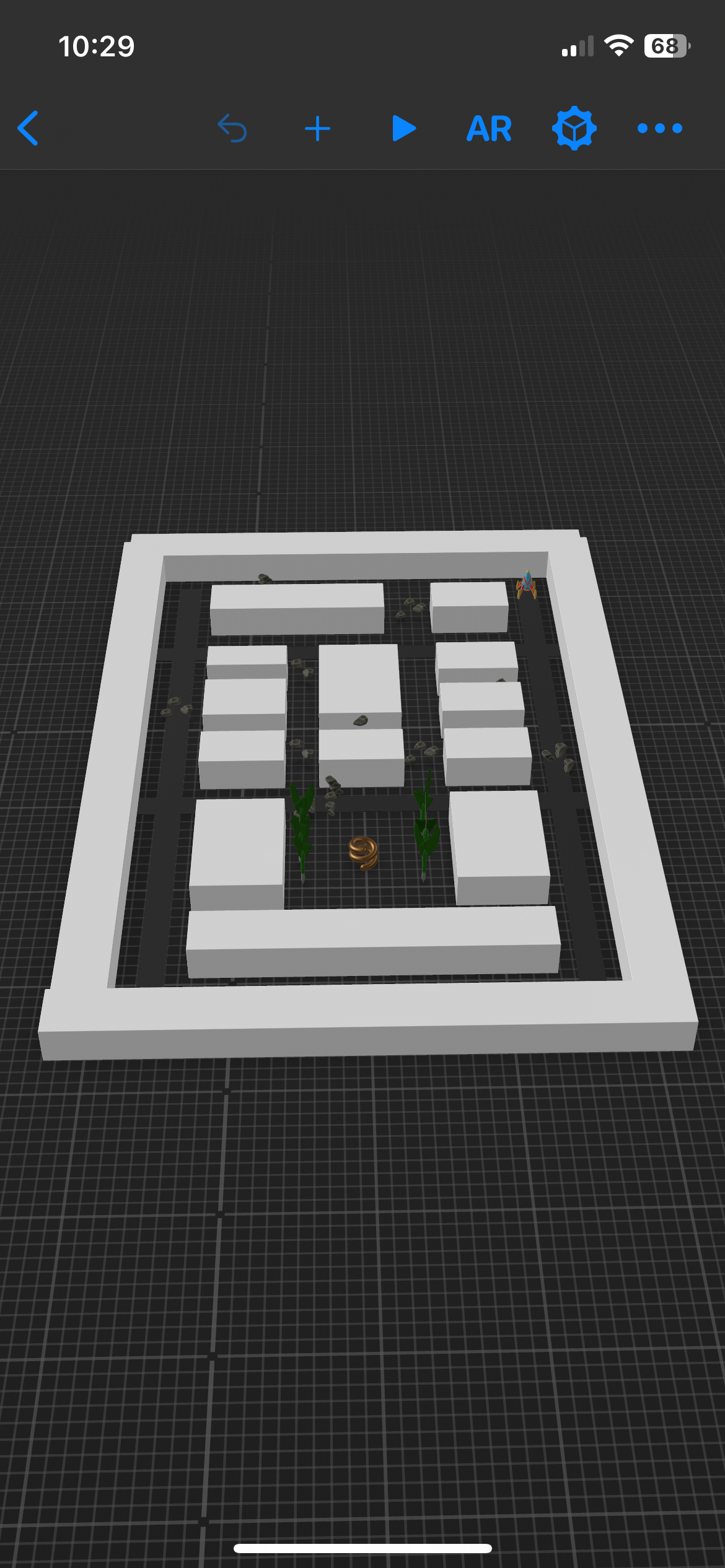
AR miniature city prototype
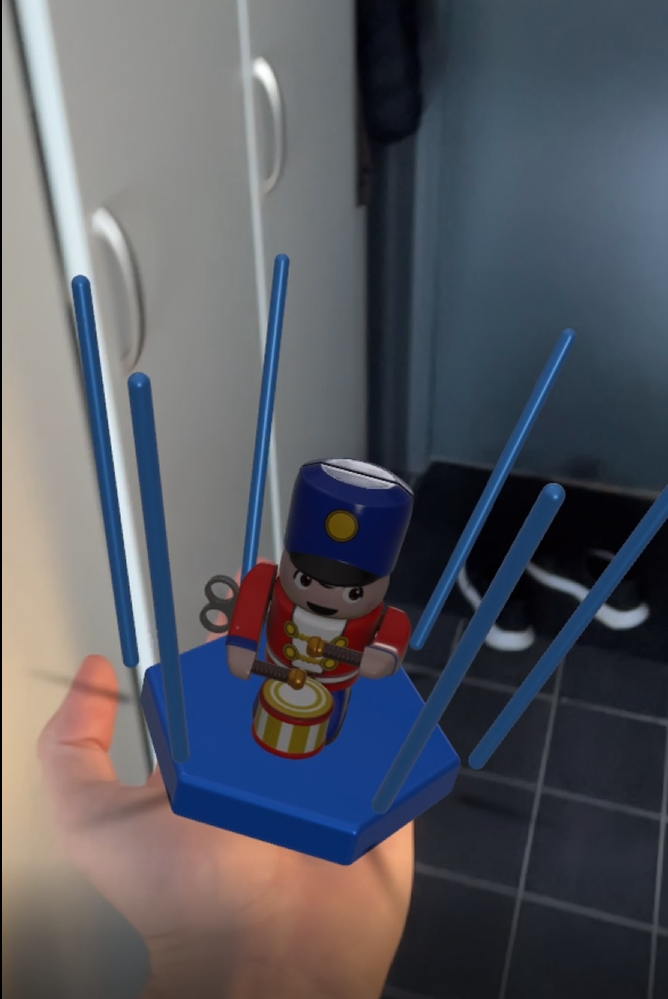
AR hand hologram prototype
Inter Astra provided me with six design briefs, and based on my game mechanics ideas, I iterated on four concepts.
Through sketching, one concept was eliminated. After photo studies and prototyping, another was removed, leading to the selection of The Silent Cartographer based on feedback.
I conducted a written analysis of the project from realistic, factual, and ideal perspectives, incorporating a SWOT analysis, a literature review, and a vision statement. This highlighted key design decisions regarding social impact, gamification, and storytelling.
Once the core game mechanics were finalised, I shifted focus to storytelling and world-building. To refine interactions, I created UI sketches and interaction sequence models, forming the foundation for a prototype. The prototype was then recorded to produce a split-screen analysis video.
Based on feedback from the split-screen video, I finalised my design concept—defining its purpose, story, mechanics, visuals, and technical framework. I then created a demonstrator of the final design, showcased at the top of the page.
Lessons learned
Toolbox
This was the largest interaction design project I had done at the time, and my skill level evolved significantly from start to finish. I applied many design methods, some for the first time, expanding my future toolbox and gaining a deeper understanding of when different methods are most effective.
For example, midway through the project, I realised that my usual iterative sketching wasn’t the solution. When deep into a project, it’s easy to feel lost in a maze of ideas and knowledge. Instead, I learnt the importance of stepping back, organising existing work, and removing unnecessary elements before moving forward. In this case, a written analysis and literature review helped me regain clarity—an approach I will definitely carry into future projects.
Big Picture
After receiving feedback on a presentation, I realised that I tend to dive too deep into specific aspects of my design concepts. While this can be beneficial, it sometimes led me to over-focus on perfecting individual game mechanics—while other key elements, like narrative and visuals, lagged behind.
Moving forward, I’m actively shifting my approach to ensure a stronger big-picture focus, making sure all elements of a project evolve together for a more cohesive experience.